UK’s mileage-based road tax: still time to get it right
The UK is about to launch a new road mileage-based tax on Electric Vehicles (EVs), Chancellor of the Exchequer Rachel Reeves announced yesterday.
It is expected to apply from 2028. As explained by my colleague Ivo Laniar, the goal is to offset the fall in fuel duty revenues caused by the growing share of EVs, which obviously do not pay any fuel tax.
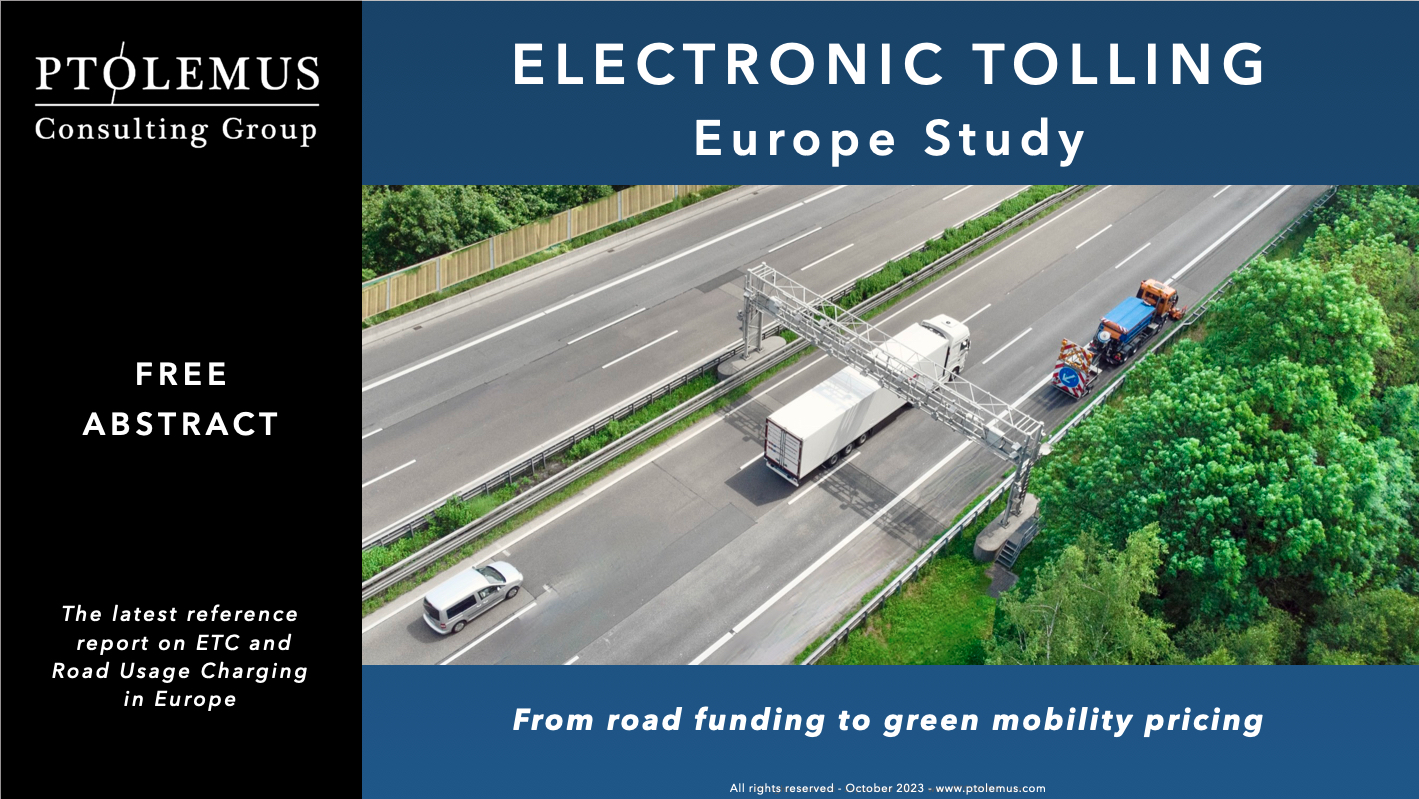
PTOLEMUS has been expecting this kind of decisions in European countries for quite a few years, and predicted it in the Norway Vehicle Electrification Study (2022) and the Electronic Tolling Europe Study (2023).
The fact is that it is not so easy to replace these revenues in an increasingly tense budgeting environment. In the UK, the increase in the (flat and annual) Vehicle Excise Duty (VED) will not suffice.
However, the way the Labour government intends to go about it seems at best a draft, which is why it simultaneously announced a public consultation.
Why the announced method should be revised
The currently announced solution relies on the monitoring of the vehicle’s odometer.

Based on the analysis we conducted during previous consulting assignments – including for Transport Ministries – we believe that this method is imperfect and surely not scalable.
What are the pitfalls of the odometer mileage monitoring method?
- The method records all miles including those driven abroad, which makes it unfair for citizens traveling outside of the country
- The method is very open to fraud if it is based on self reporting or even through the sending of the odometer’s picture, because the manufacturing of fake pictures is made very simple with AI
- It is also open to fraud if based on annual vehicle checks, as odometers have proven to be relatively easy to tampering
- It is manual, which implies time and effort for vehicle owners, leasers, fleets, etc.
- For that reason, it will be costly, even though all the costs may not be visible immediately
These are not secondary issues. For a tax system to be credible and scalable, fairness and enforceability are paramount.
Whenever doubts emerge on whether all citizen pay the right amount, this can lead to catastrophic outcomes. This is the now classical example of South Africa, where the move to free flow tolling led to a non-payment rate of 80%. Given the delicate state of UK’s finances – which led to the resignation of Prime Minister Liz Truss in 2022 – this could have a catastrophic outcome on the country’s financial market debt stability.
How to get it right?
In our view, the government should consider more modern solutions.
Three types of solutions can be deployed today, namely:
- Connected vehicle-based solutions, as all EVs are by default equipped with GNSS (i.e. satellite positioning) and cellular-enabled on-board units (OBUs);
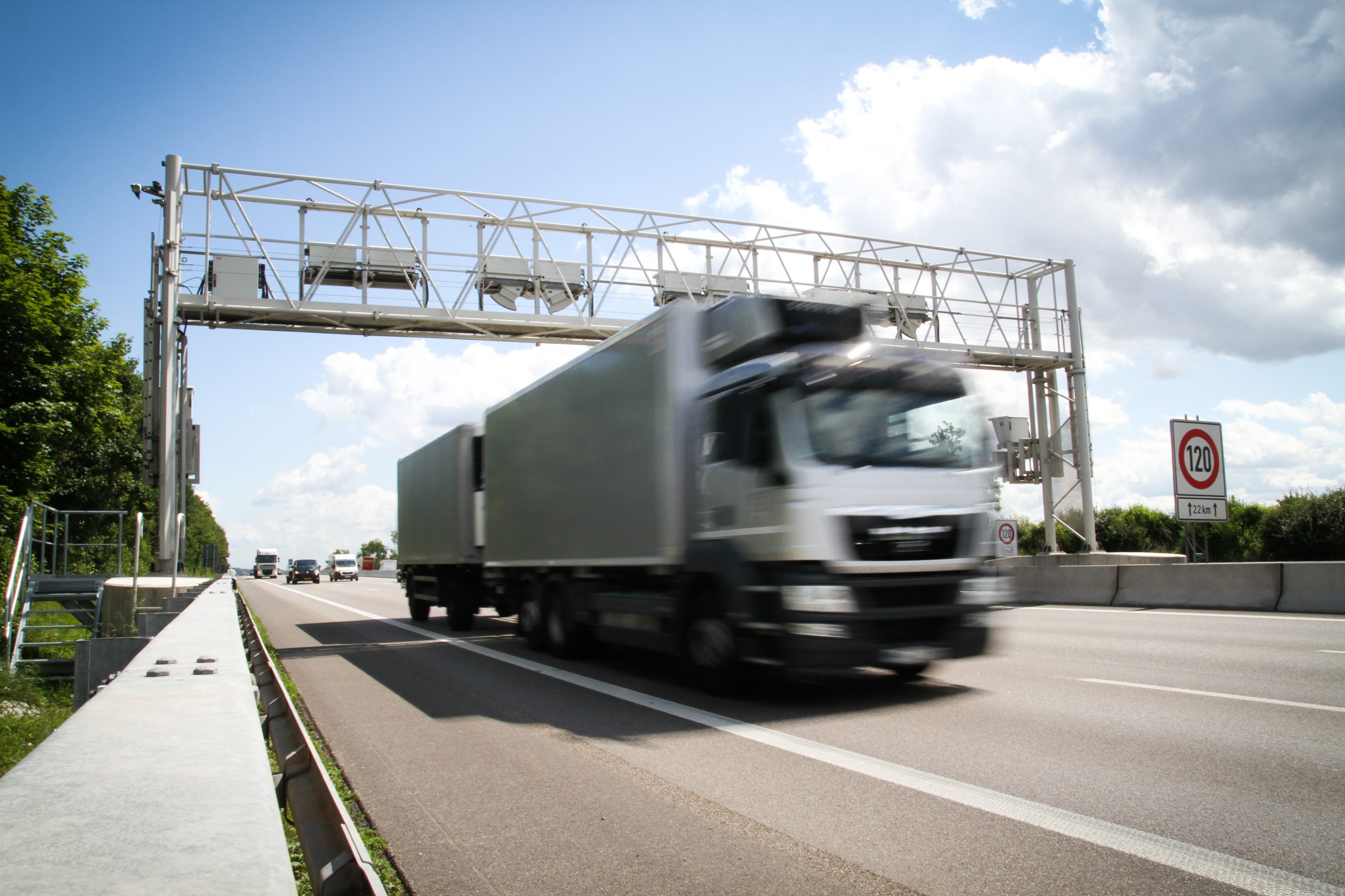
- Satellite positioning-enabled aftermarket black box-based solutions, as has been successfully done in all countries that operate Road Usage Charging schemes for Heavy Goods Vehicles, namely Germany, Belgium, Switzerland, Poland, Bulgaria, etc.
- Smartphone-based solutions, as all modern phones have embedded GNSS and connectivity modules too.
Based on our in-depth analysis, these are now cost-effective ways to measure the distance driven in a country. There are tens of millions of vehicles that use these in Europe and it could be a good idea to leverage that experience. Technology is ready and mature. The issues that are often raised against these (privacy, cost, etc.) have all been overcome.
If the government wants to start raising revenues on EVs from 2028, it is still time to establish the system but it is urgent to consider proven and future-proof solutions.
Not using such solutions will in our view lead to the ultimate failure of the odometer mileage-based charge.
As Brexit has proven, hastily taken political decisions can have negative effects for decades. In this regard, we would recommend the UK government to move as fast as possible but not to do without the necessary feasibility studies for the system to be a success.
To exchange with us on the topic, feel free to reach to Frederic Bruneteau, our Managing Director.