What is eFNOL?
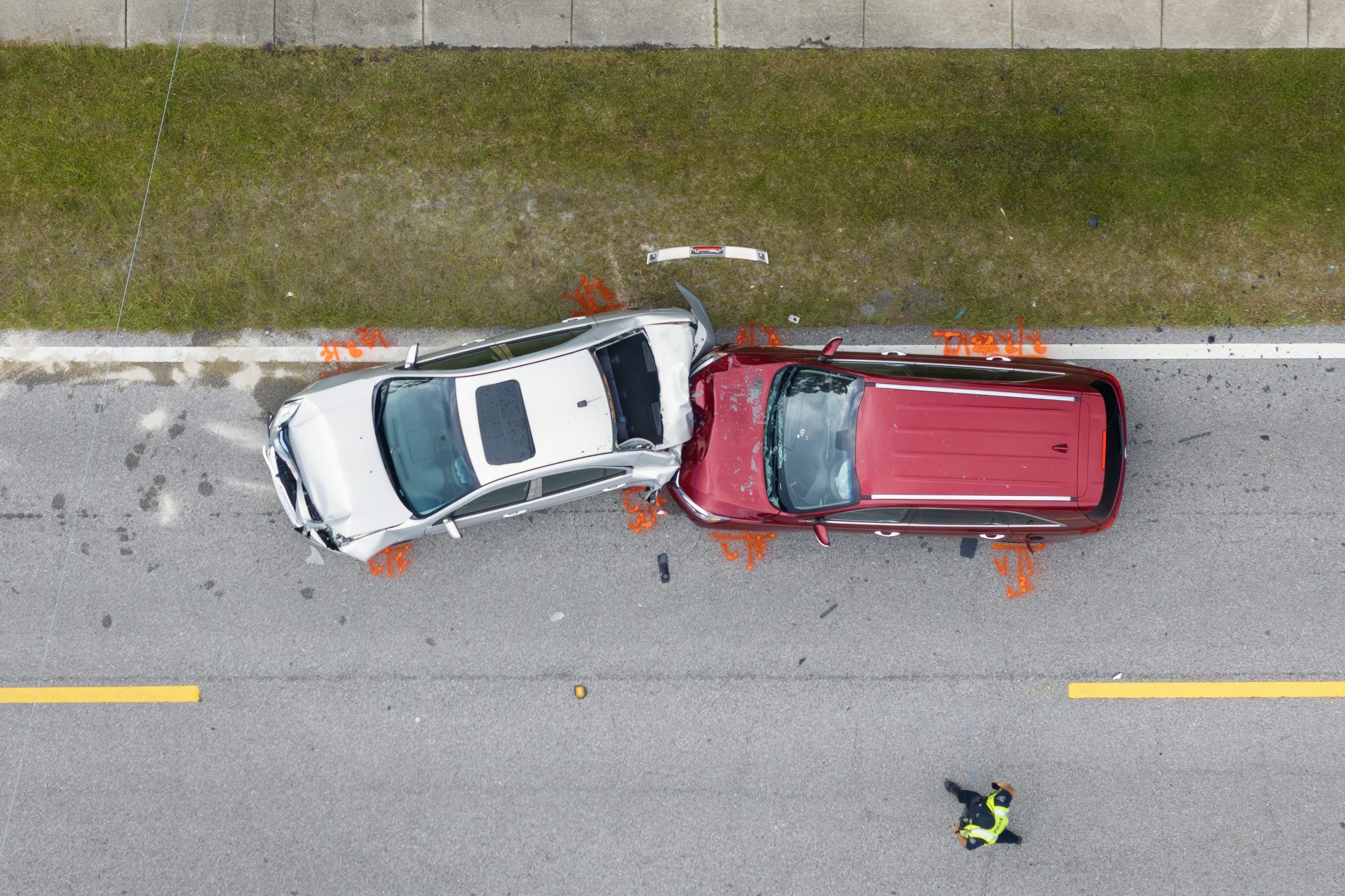
eFNOL is the future of claims management
The moment a vehicle crash occurs, the actions taking place in the minutes that follow can make the difference between life and death for the driver, the vehicle’s occupants and any other involved party. It is also a key moment in the life of a vehicle, which might lead to a total loss.
Thus the way a road crash is detected and handled can have a tremendous impact on the policyholder, his/her relatives and the insurance company.
In that context, eFNOL represents a game-changing evolution in claims reporting and crash response.
What is actually eFNOL?
eFNOL stands for Electronic First Notice of Loss, a connected and fully automated system that alerts the insurer the instant when an insured vehicle crash occurs. Traditionally, FNOL refers to the first time a policyholder notifies their insurer about a loss, usually by calling after an accident. But as soon as the vehicle is equipped with embedded or aftermarket-installed connectivity and thanks to real-time data, eFNOL takes this process several steps further.
Rather than waiting for the driver to report the incident, eFNOL uses technology to detect the crash and immediately transmit vital information to the insurance company’ claims management system, without the intervention of the driver. This means faster help, accelerated claims handling, and fewer opportunities for fraud.
Where it all started
The roots of eFNOL lie in automatic crash notification (ACN) systems. ACN was designed to automatically notify emergency services when a vehicle was involved in a serious accident. In the US, General Motors had been a pioneer with its OnStar system, which could both detect a crash and connect a human operator via audio to speak with the driver. In Europe, ACN is named eCall (emergency call) and has become standard in new European cars and light commercial vehicles since 2018.
From these beginnings, insurers and tech companies began to see the wider value of such immediate crash data, not just for emergency assistance, but also for claims handling. Italian insurer Unipol was one of the first to develop such a solution – using professionally installed black boxes – and in the last 10 years made eFNOL a standard part of its claims management process.
How it works today
eFNOL uses a telematics device’s sensors (accelerometer and gyroscope) to automatically detect collisions in real time. These sensors monitor sudden deceleration, abnormal rotation, or lack of movement, signalling a potential crash. When a significant deceleration, followed by the end of motion, is detected, the system triggers an eFNOL event, capturing critical data such as time, GNSS location, speed, and force of impact. This data is then sent via cellular data to the insurer’s Claims Management System (CMS), enabling faster claims processing, automatic case creation, and even emergency service alerts.
eFNOL often integrates additional features e.g. photo capture, interfacing with dash cameras, and machine learning to avoid false positives. The system speeds up claims handling, reduces fraud, and enhances customer experience.
eFNOL can be triggered by several types of telematics devices, notably:
- Black boxes: Professionally installed in the vehicle, these detect crashes with high accuracy, and still represent the most popular eFNOL method
- Self-installable black boxes are fitted by the driver, typically on the vehicle’s battery
- OBD dongles use the On-Board Diagnostics port of the vehicle to be powered and are also equipped with the required sensor and connectivity
- Tags / beacons are small, Bluetooth-enabled devices placed in the car, connected to a smartphone app, that track motion and impact, and send the crash details through the user’s phone connectivity
- Smartphone-only apps: Telematics Service Providers recently started using just a phone app to detect accidents, though this method can lead to a higher rate of false positives
When a crash is detected, the system
- Sends a crash file to the insurer’s claims system in real time, which includes the precise position and magnitude of the collision
- Initiates a call to the driver to check their condition
- If necessary, calls the relevant emergency services for immediate rescue
- Evaluates the vehicle’s status post-crash (can it drive?)
- If necessary, sends a towing vehicle for assistance
- If necessary, steers the claim toward a partnered repair shop
- Potentially makes an estimate of the loss amount
- Checks for potential fraud or false alerts
Why it matters
- Safety first: The top priority is saving lives. By instantly detecting an accident and triggering help, even if the driver is unconscious, eFNOL can drastically reduce response times and the severity of injuries
- Faster claims, less stress: Drivers do not need to remember what to do next, the system has already started the claim process, making everything smoother and faster
- Fraud prevention: Since the system captures real-time data, it is much harder to simulate a crash or exaggerate damage
- Cost and liability management: Insurers can build an Expected Time of Repair (ETR) to manage liability and costs more precisely
- Customer experience: Automatically directing the claim to a partnered repair shop adds convenience and control for insurers and policyholders alike
eCall vs. eFNOL: what’s the difference?
While eCall is focused on emergency services and saving lives, eFNOL adds the insurance and claims dimension. It’s not just about detecting a crash, it’s about managing everything that follows: verifying the accident, launching the claim, assessing the damage, and organising the repair, often without any manual intervention.
In Europe, in-vehicle systems’ eCalls are typically sent to emergency services (i.e. the firemen, the police and ambulance services) but not insurance companies. On the other hand, eFNOL communicates the crash details directly to the insurer’s claims management system.
For the same reason, American insurance companies such as Progressive and State Farm have introduced eFNOL, using either app + tag or app-only solutions.
Looking ahead
As vehicles become more connected and insurers continue to embrace digital transformation, eFNOL is set to become the default method of handling auto claims.
This is the untold story about UBI. Very often, we tend to associate Usage-Based Insurance with variable pricing. But the core use of telematics is to reduce losses as well as claims management expenses. eFNOL is the silver bullet to improve the efficiency of insurers’ claims processed.
To learn more about best practices in telematics-enabled loss reduction, download the free 100-page abstract of the UBI Global Study.
To discuss this topic with PTOLEMUS, please reach out to [email protected].
This article was written by Marco D’Onofrio and Frederic Bruneteau and is under PTOLEMUS copyright.
Related study

UBI Global Study 5th Edition: Essential intelligence for insurers, OEMs & telematics leaders
The most comprehensive analysis and forecast of the Usage-based Insurance market ever published
Related industry