The consulting & research firm for the connected mobility world
PTOLEMUS is a strategy consulting firm advising all ecosystem players on how to succeed in the world of connected mobility and vehicle automation.
How PTOLEMUS can help you

Utilising experience acquired from 200 consulting assignments, PTOLEMUS helps its clients identify & monetise opportunities in the fast evolving markets of connected mobility and driverless vehicles. Services we provide include:
- Define plans to innovate and launch new businesses
- Create strategies to expand and develop new or existing products
- Build your business plan to enter new markets
- Accompany you in implementing your connected mobility strategy
Latest Reports
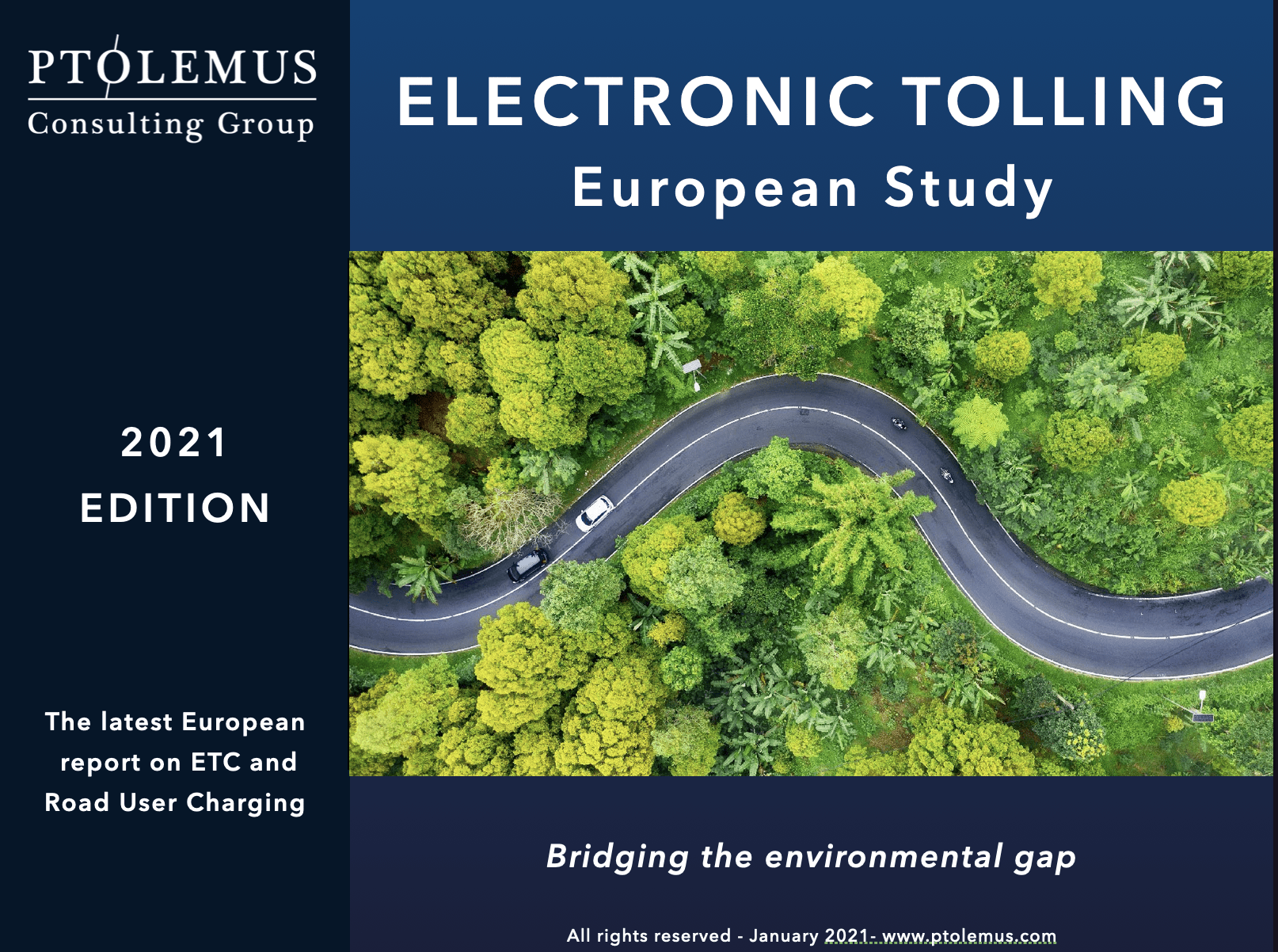
Electronic Tolling Europe Study 2023
The global reference study for the European ETC and Road User Charging Industry
- An in-depth analysis of the European and national regulatory environment
- 27 country profiles with regulatory, competitive, qualitative and quantitative analysis
- An assessment of the evolution of tolling technologies in Europe, from ANPR to smartphone tolling and GNSS
- A bottom-up market sizing covering 28 countries for both light and heavy vehicles
- PTOLEMUS predictions on the future of tolling in Europe
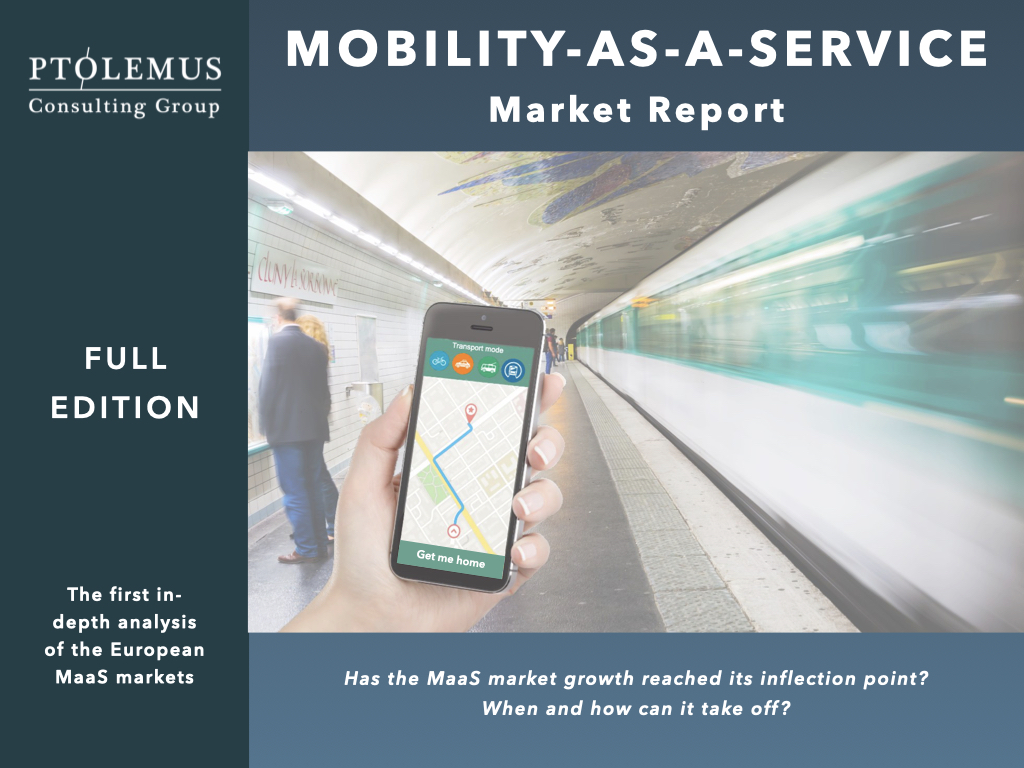
Mobility-as-a-Service Market Report
The most thorough analysis of the European Mobility-as-a-Service Market.
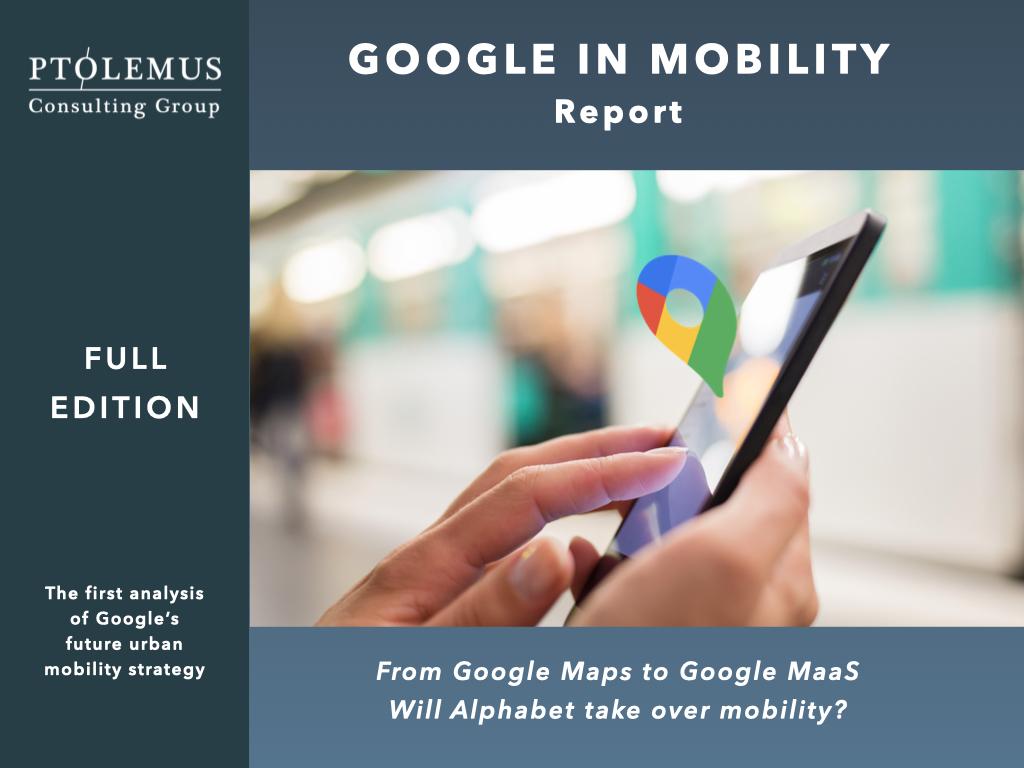
Google in Mobility Report
The first report analysing whether, how and when Google will take over the urban mobility market. The question is not whether Google could be the dominant force in MaaS but rather, why isn't it already?

Fleet Electrification Global Study
This 450+ page analysis of the global fleet electrification landscape is the reference report for how and when fleets should complete the switch to electrification.







We are hiring!
As a fast growing strategy consulting and research company, PTOLEMUS offers exciting opportunities in a great team environment.
About PTOLEMUS
PTOLEMUS Consulting Group can advise you but also help you implement our recommendations. Learn more about our expertise and approach.